
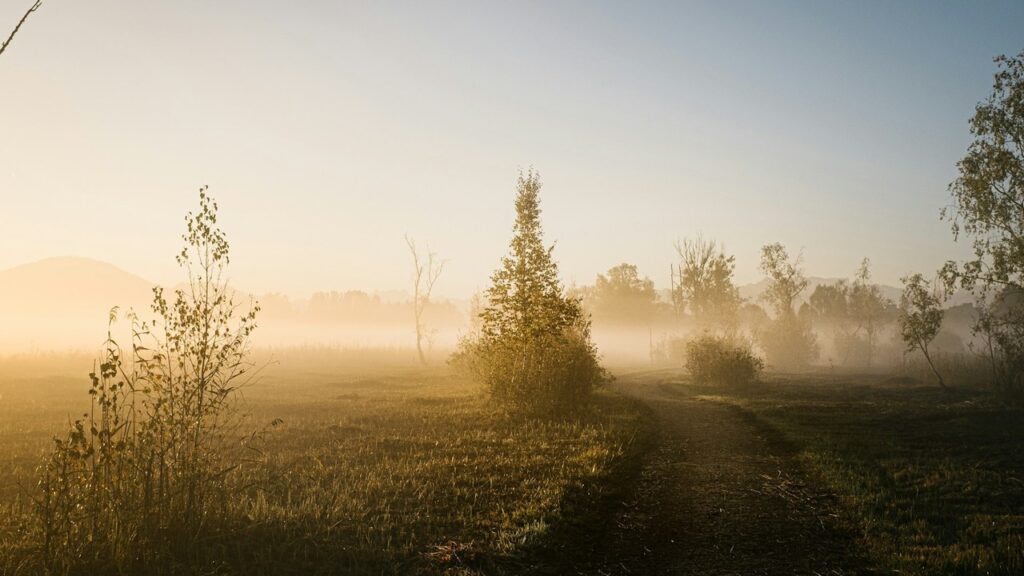
The best time to plant a tree was 20 years ago. The second best time is now.
Chinese Proverb
When Regret Becomes a Root
Regret often begins as a teacher. It points to something we wish we had understood sooner, chosen differently, or protected more carefully. In that sense, regret can be useful. It helps us recognize the cost of delay, avoidance, fear, or distraction. But when regret stays too long, it stops teaching and starts trapping. It roots us in a version of life that no longer exists, asking us to keep paying attention to a moment we cannot revise.
The proverb about planting a tree is powerful because it does not deny the value of the past. Yes, twenty years ago would have been better. Yes, earlier action might have brought shade, fruit, beauty, and strength by now. But the wisdom of the proverb is not sentimental. It refuses to let the missed opportunity become an excuse for missing another one. The past may explain why the tree is not already tall, but it does not prevent your hand from touching the soil today.
The Present Is Still Fertile
One of the quiet lies of discouragement is that timing must be perfect for effort to matter. We tell ourselves we are too late to begin the work, repair the relationship, learn the skill, improve our health, pursue the calling, or change the pattern. But life is not built only for those who start early. It is also built for those who finally start honestly. A seed planted today is not the same as a seed planted twenty years ago, but it is infinitely different from a seed never planted at all.
The present is fertile because it is the only place where choice can happen. Yesterday contains memory. Tomorrow contains imagination. Today contains action. Even a small act in the present has a dignity that endless wishing does not. Sending the message, opening the book, making the appointment, apologizing, saving the first dollar, walking the first mile, or clearing one corner of the room may seem humble. Yet these are the beginnings from which changed lives grow.
Change Begins Without Permission from the Past
We often wait for a feeling of readiness before we move. We want confidence, clarity, certainty, and a guarantee that our effort will not be wasted. But change rarely arrives with such gifts in advance. More often, change begins when we decide that our history is real but not final. We do not have to pretend the delay did not happen. We do not have to minimize what was lost. We simply refuse to let what was lost become the authority over what can still be built.
This is especially important when the change we need feels overdue. The older we get, the easier it can be to measure life by closed doors. But some doors open only after we have matured enough to walk through them wisely. Starting now may mean starting with more humility, more patience, and more awareness than we had years ago. The late beginning may not be a failure. It may be a beginning shaped by experience.
Plant Something Today
The invitation of this proverb is practical. It asks for more than inspiration; it asks for movement. If you cannot plant the whole forest, plant one tree. If you cannot transform your life in a day, make one decision that agrees with the future you want. Change becomes less overwhelming when it is translated into a concrete act. The question is not, “Why didn’t I begin sooner?” The better question is, “What can I begin before this day ends?”
A tree is an act of faith because the planter may not enjoy all its shade immediately. In the same way, many worthwhile changes grow slowly. But slowness is not uselessness. Every rooted thing began hidden. Every future strength starts as something small enough to be overlooked. Today may not erase the delay, but it can end it. Put your hands in the soil of your own life. Plant the apology, the habit, the dream, the boundary, the effort. The second best time is still a beautiful time.
Reflection question
What is one meaningful action you have postponed that you can begin today, even in a small way?
