
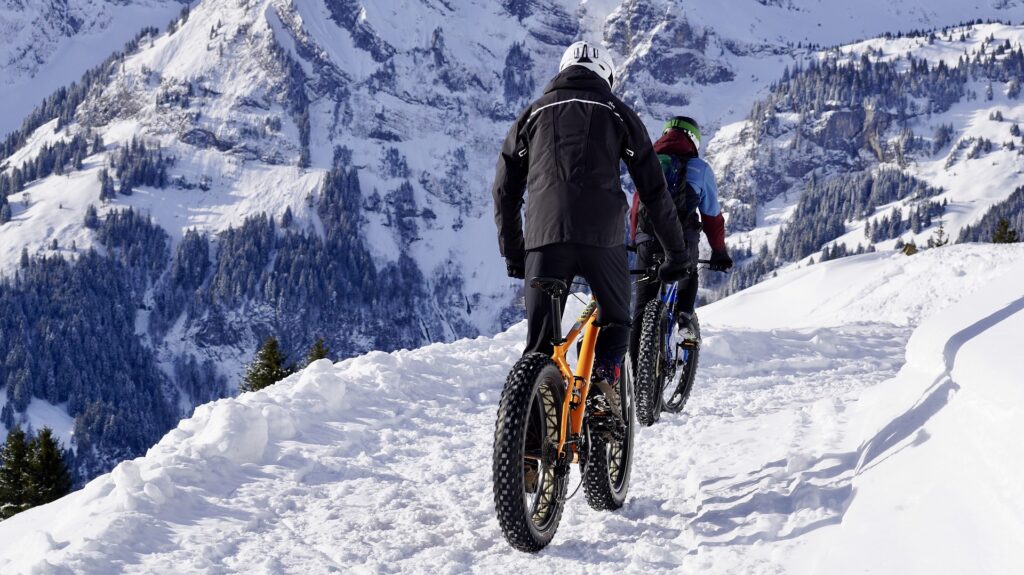
“Life is like riding a bicycle. To keep your balance, you must keep moving.” – Albert Einstein
Albert Einstein’s comparison is simple, vivid, and surprisingly profound. Anyone who has ridden a bicycle understands the truth immediately. Balance is not maintained by freezing in place. It comes through movement, adjustment, and trust. The same is often true in life. When we stop completely out of fear, discouragement, or overthinking, we may lose the very steadiness we were trying to protect.
Balance Requires Motion
Many people imagine balance as a perfectly calm state where nothing pulls, nothing changes, and nothing demands effort. But real balance is more dynamic. It is a series of small corrections. We lean, adjust, pedal, look ahead, and keep going. Stability is not the absence of movement. It is the art of moving wisely.
This matters in difficult seasons. When life feels uncertain, the temptation is to stop everything until clarity returns. Sometimes rest is necessary, but paralysis is different from rest. A person can pause to recover and still keep a sense of direction. Even one small forward action can prevent fear from becoming the center of the story.
The Courage of the Next Pedal
Einstein’s image also reminds us that momentum is built one motion at a time. We do not need to solve the entire future in a single day. We need to take the next responsible step. Make the call. Finish the task. Care for the body. Return to prayer or reflection. Ask for help. Repair what can be repaired. Learn what must be learned.
Each of these actions is like another push of the pedal. None may seem dramatic, but together they keep us upright. They create rhythm. They restore confidence. They remind us that life is still moving and that we are capable of moving with it.
Optimism That Acts
The optimism implied in this quote is not naive. It does not pretend the road is flat or the ride effortless. It simply believes that forward motion matters. Hope becomes practical when it chooses one constructive action instead of surrendering to inertia.
To live this wisdom, ask: What is the next small movement that would help me regain balance? Then do that. Not perfectly. Not dramatically. Just faithfully. Einstein’s bicycle reminds us that balance is not found by standing still forever. It is discovered as we keep moving, adjusting, and trusting the road beneath us.
A Question Worth Asking
Einstein’s image invites us to ask: Where have I stopped moving because I am afraid of losing balance? Sometimes we wait for confidence before acting, but confidence often returns only after we begin. Movement teaches us. It gives feedback, restores rhythm, and helps us discover that fear is not always an accurate measure of what is possible.
The next step does not need to be large. In fact, small movement is often wiser than dramatic motion. A bicycle stays balanced through continuous adjustment, not one heroic gesture. In the same way, a resilient life is built through steady, hopeful actions. Each one says: I am still here, still learning, still willing to move forward.
Closing Reflection
Life’s balance is rarely restored by waiting until every fear disappears. More often, it returns as we begin moving again with humility and hope. Einstein’s image encourages us to keep a gentle momentum: enough to learn, enough to adjust, enough to remember that we are not finished. The road may bend, rise, or surprise us, but standing still forever cannot carry us forward. One steady movement, followed by another, can become the rhythm by which resilience is rebuilt.

Continue your daily reflection
Discover The Daily Wisdom Journal
A single quote can change the direction of a day. The Daily Wisdom Journal brings together 365 celebrated thoughts for reflection, growth, and daily inspiration.